Best Time to Visit Italy and Ultimate 10-Day Itinerary for an Unforgettable Trip
From iconic cities to authentic experiences, mobility, food culture and hidden destinations shaping modern travel decisions

Pineto
Rep
0.0
Trend reputazione
● in analisiItaly continues to dominate global travel interest, but what truly defines tourism in 2026 is not just the destination itself, but the depth and specificity of what travelers are looking for before they even arrive. Every search reflects a need, a curiosity, or a desire to build a personalized journey. Understanding these search patterns means understanding how people imagine Italy long before they experience it physically.
The first layer of interest still revolves around the timeless appeal of cities like Rome, Venice, and Florence. These destinations remain at the center of global attention, yet travelers no longer stop at simply identifying where to go. Immediately after searching for these cities, users begin exploring how to move between them efficiently. Queries related to train routes, high-speed connections, ticket booking systems, and travel time comparisons reveal a strong focus on logistics. Visitors want clarity, simplicity, and reliability when planning how to travel across Italy.
Mobility extends beyond trains. Many travelers look for independence, especially when exploring regions like Tuscany or the Amalfi Coast. Searches about driving requirements, international permits, road rules, and car rental conditions are increasingly common. This reflects a desire to move freely, discover remote areas, and avoid rigid travel schedules. Travelers want to feel in control of their journey, not constrained by it.
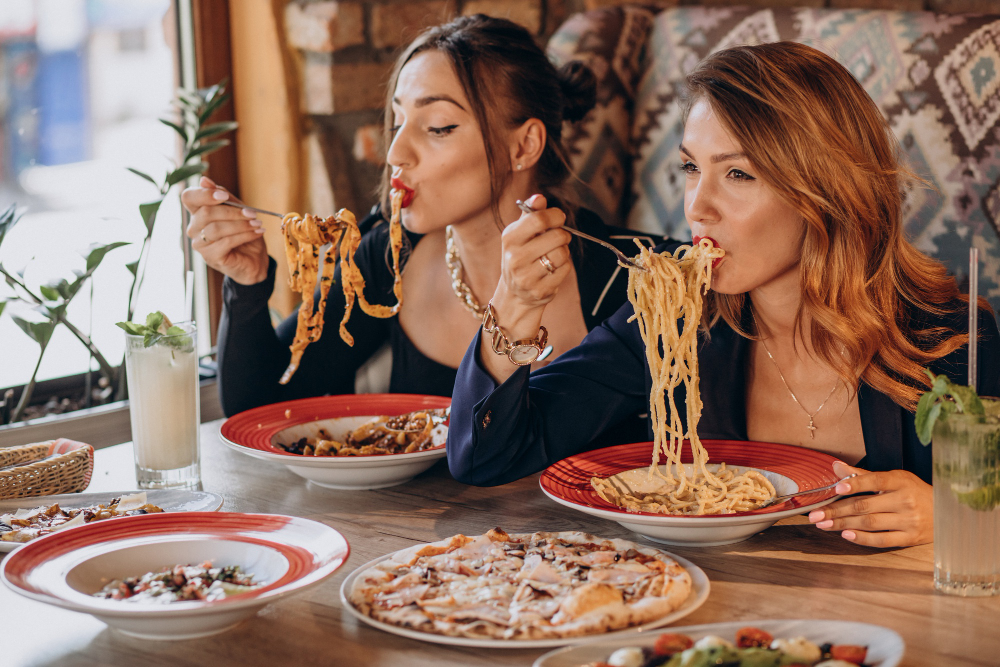
Food has become one of the most powerful motivations behind travel decisions. Visitors are not simply interested in eating Italian cuisine; they want to understand it, experience it, and participate in it. Searches related to the best pasta in Rome, authentic pizza in Naples, and regional specialties highlight a strong interest in culinary identity. Beyond restaurants, there is a growing demand for immersive experiences such as cooking classes, wine tastings, and farm stays. The concept of agriturismo, where guests stay in rural settings and experience local food production, has gained significant traction because it combines authenticity with comfort.
At the same time, a major shift is occurring toward less crowded and more authentic destinations. Travelers are increasingly searching for hidden places, small villages, and lesser-known regions where they can experience a slower pace of life. This reflects a broader movement toward slow travel, where the focus is not on seeing as much as possible, but on experiencing each place more deeply. These searches often include terms related to authenticity, local culture, and peaceful environments.
Cinema and digital media are also shaping travel decisions in a powerful way. Locations featured in films, series, and online content generate strong interest. Travelers want to visit the places they have seen on screen, whether it is coastal landscapes, countryside estates, or historic towns. This connection between storytelling and travel creates an emotional bond that influences destination choices.
Timing plays a critical role in travel planning. Many users search for the best period to visit Italy, focusing on weather conditions, seasonal events, and crowd levels. Spring and early autumn are particularly attractive due to mild temperatures and fewer tourists. Queries about monthly weather patterns and seasonal recommendations indicate that travelers are carefully planning their trips to optimize their experience.
Structured travel planning is another key behavior. Many users look for complete itineraries that help them organize their time efficiently. They want to understand how to combine cities, how many days to spend in each location, and how to balance cultural visits with relaxation. This reflects a need for guidance and reassurance, especially for first-time visitors. Safety and overall experience quality are becoming increasingly important. Travelers want to know where they can feel comfortable, which areas are considered safe, and what kind of environment they can expect. This includes not only physical safety but also cleanliness, organization, and general quality of life. Perception plays a strong role in shaping these decisions.
Accommodation preferences are also evolving. While traditional hotels remain popular, there is growing interest in unique stays such as countryside villas, boutique accommodations, and farm-based experiences. Travelers are looking for places that reflect the character of the region and offer something distinctive beyond standard lodging. Local transportation within cities is another frequent concern. Visitors want to understand how to move easily once they arrive, whether through public transport, walking routes, or alternative mobility options. Clear and simple information about local systems significantly improves the travel experience and reduces uncertainty.
Technology has influenced how people search for travel information. Queries are becoming more conversational, reflecting natural language and specific needs. Travelers often ask complete questions, looking for direct and practical answers. This requires content that is structured clearly and written in a way that feels natural and accessible. Different international audiences show different patterns of interest. Some travelers focus on convenience and organized experiences, while others prioritize sustainability, cultural immersion, or luxury. Understanding these differences allows for more targeted communication and more relevant content.
Another important factor is the connection between travel and reputation. Travelers increasingly rely on reviews, feedback, and perceived credibility when choosing destinations and services. A positive perception of a place, including its infrastructure, hospitality, and overall environment, can strongly influence decisions. Ultimately, what emerges is a complex and evolving picture of tourism in Italy. Travelers are no longer satisfied with generic experiences. They seek depth, authenticity, and personalization. They want to move easily, eat well, explore unique places, and feel connected to the culture. Italy’s strength lies in its ability to offer all of this simultaneously. From historic cities to rural landscapes, from world-famous cuisine to hidden villages, the country provides a wide range of experiences that align perfectly with modern travel expectations. Understanding what tourists are searching for means understanding how they dream, plan, and decide. Those who are able to interpret these behaviors can create content and experiences that truly resonate, transforming interest into real journeys and lasting memories.
Domande frequenti
What do tourists search first when planning a trip to Italy?
Why is transportation a key search topic for visitors?
How important is food in travel decisions about Italy?
What are travelers looking for beyond famous cities?
Why are driving and car rental searches increasing?
How do films and series influence travel choices?
What role does timing play in travel planning?
Why are itineraries so frequently searched?
How important is safety and quality of life for tourists?
Cristian Nardi
Autore dell'articolo
Giornalista e scrittore appassionato di politica, tecnologia e società. Racconta storie con chiarezza e attenzione ai dettagli.
